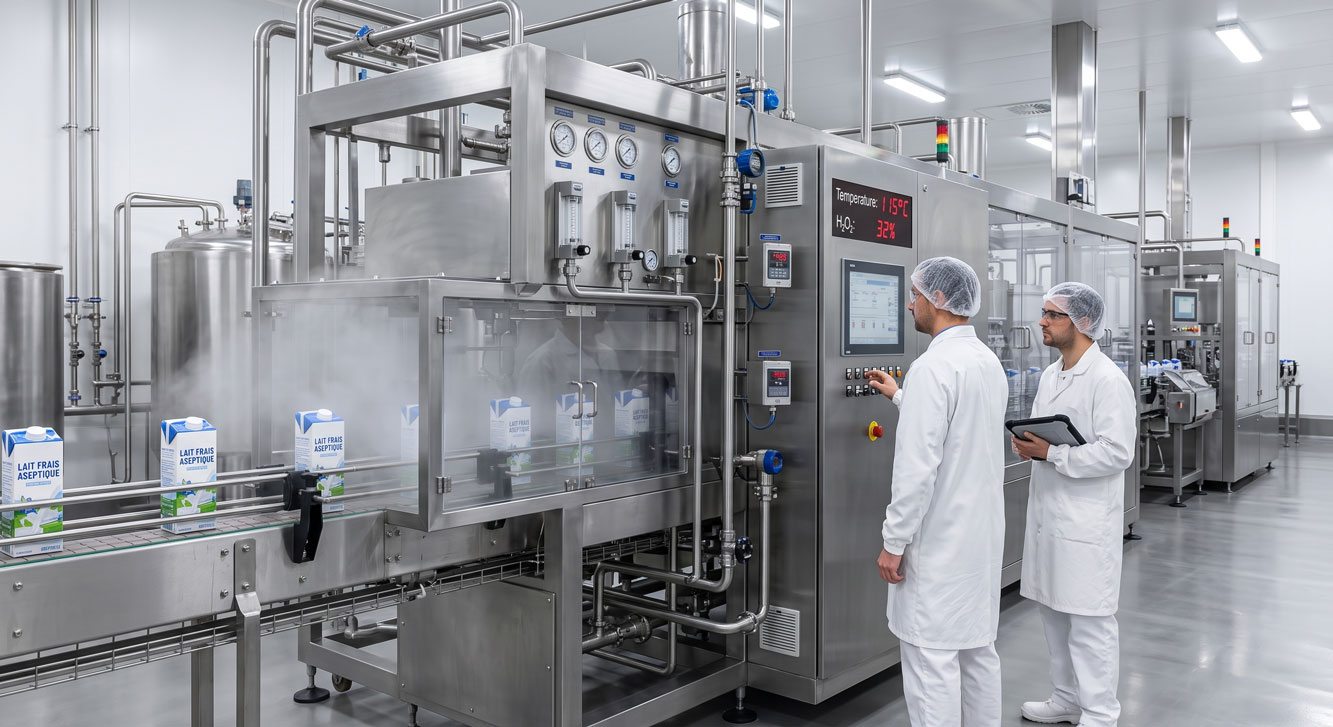

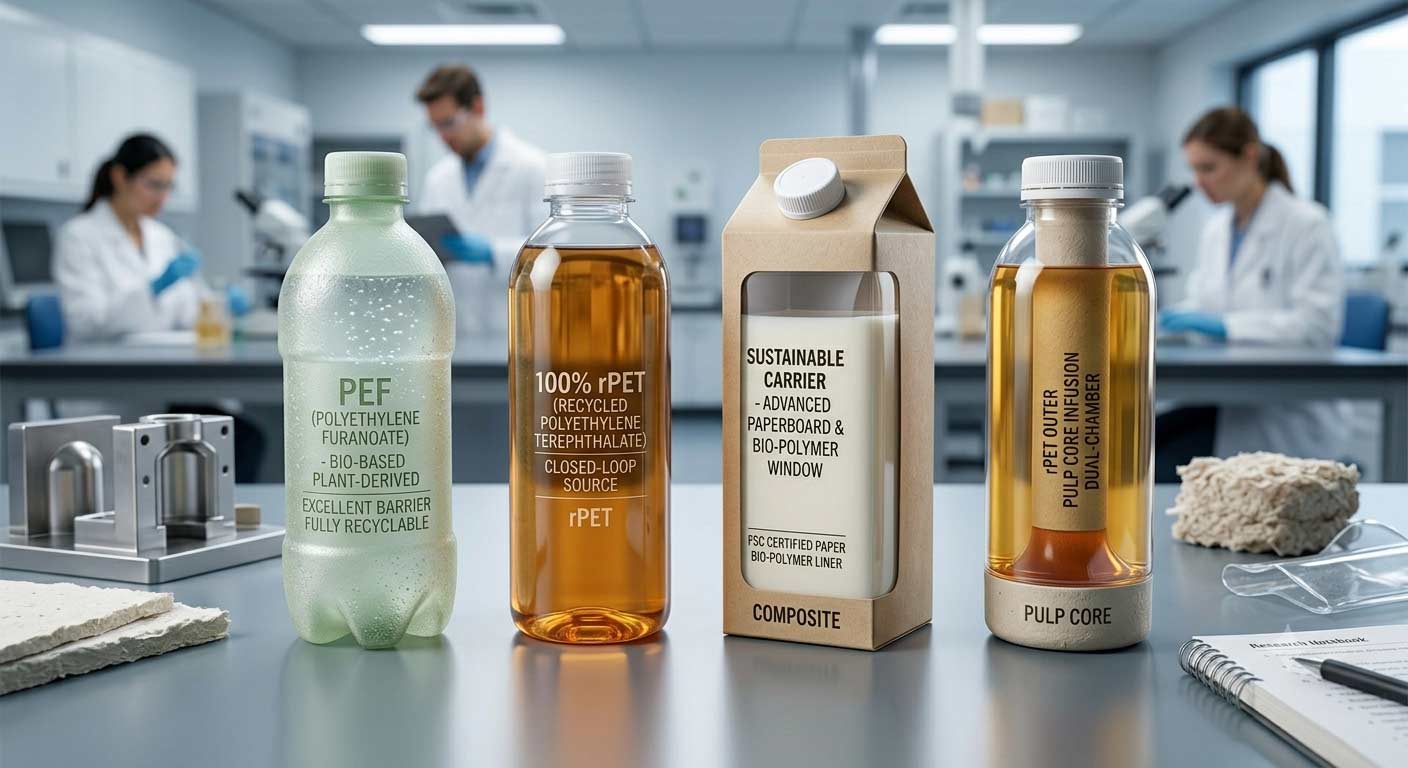
The beverage packaging industry is undergoing its most profound transformation in decades. What was once a sector defined by convenience and cost is now being reshaped by sustainability, regulation, and fundamental shifts in consumer expectations. The question is no longer whether the industry will transition to sustainable packaging—but how fast, and who will lead.
At ASQ Packing, we are at the forefront of this transition. As a manufacturer of premium gable top cartons, we see firsthand how the industry is moving away from fossil-based materials toward renewable, fiber-based solutions. Here is a comprehensive look at where sustainable beverage packaging is headed—and why the future belongs to paper.
1. The Market: Unprecedented Growth
The numbers tell a clear story. The global beverage packaging market was valued at approximately USD 155–180 billion in 2025 and is projected to reach USD 190–295 billion by 2030–2034, growing at a CAGR of 4.15% to 5.6%. This growth is being driven primarily by rising consumer demand for sustainable and eco-friendly packaging solutions.
Within this broader market, fiber-based and paperboard packaging is the fastest-growing segment. The gable top liquid cartons market alone was valued at USD 10.17 billion in 2025 and is projected to reach USD 16.79 billion by 2034, exhibiting a CAGR of 5.81%. This is not incremental growth—it is a structural shift away from traditional plastics.
Why this matters: The market is voting with its dollars. Brand owners and retailers are progressively substituting plastic bottles with paper-based cartons to align with sustainability narratives and consumer expectations.
2. The Regulatory Driver: PPWR and Beyond
Regulation is accelerating the transition from voluntary initiative to mandatory requirement. The EU Packaging and Packaging Waste Regulation (PPWR)—formally adopted as Regulation (EU) 2025/40 in December 2024 and entering into force in February 2025—is the most significant packaging legislation in a generation.
Key PPWR Requirements for Beverage Packaging:
| Requirement | Target |
|---|---|
| All packaging must be recyclable | Immediate requirement |
| Recycled content in plastic packaging | Minimum percentages by 2030 and 2040 |
| Reusable beverage packaging | 10% by 2030; 40% by 2040 |
| Packaging waste reduction | Binding targets for EU Member States |
| Take-away food & drink reuse systems | 10% in reusable systems by 2030 |
The PPWR also bans certain types of single-use plastic packaging and imposes technical requirements for packaging minimisation. For beverage brands, this means that packaging strategies must be redesigned for genuine recyclability and lower material intensity.
Beyond Europe, similar regulatory pressures are emerging globally. Extended Producer Responsibility (EPR) schemes are expanding, with increased fees for hard-to-recycle packaging and more responsibility placed on producers to fund collection and recycling systems.
Why this matters: Regulation is no longer a distant concern. The PPWR applies from August 2026, and brands that have not transitioned to compliant packaging face significant financial and reputational risk.
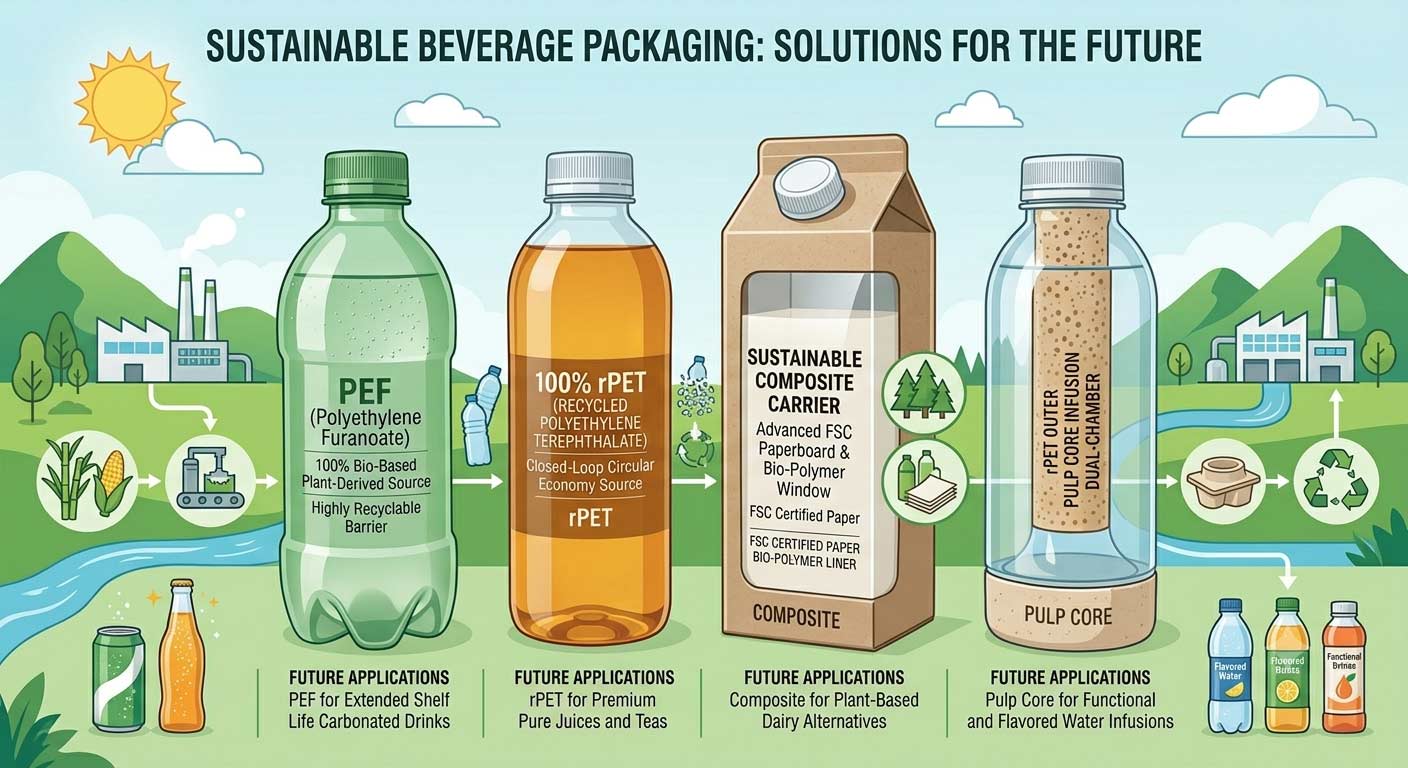
3. Material Innovation: The Paper Revolution
A. Paper-Based Barriers Replace Aluminum
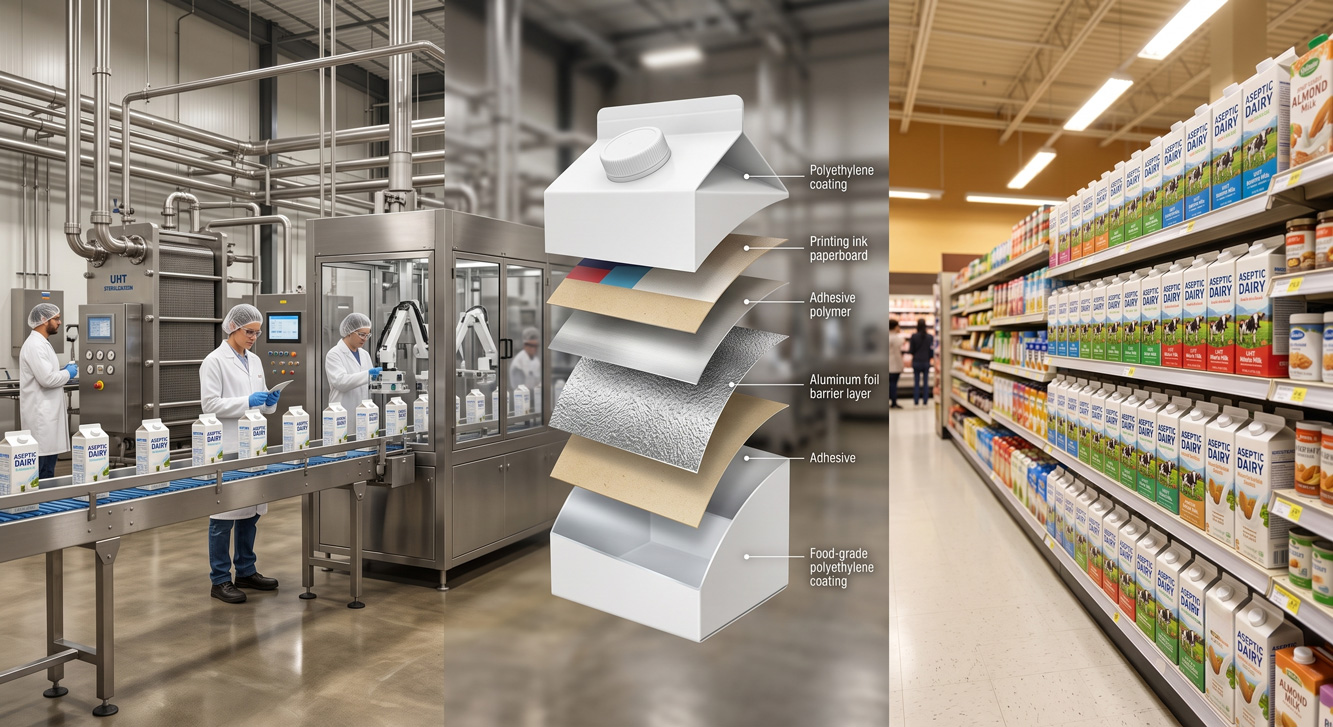
One of the most significant innovations in sustainable beverage packaging is the development of paper-based barrier technologies that replace traditional aluminum foil layers in aseptic cartons.
In December 2025, Tetra Pak, in collaboration with García Carrión, launched the first-ever aseptic juice carton using a paper-based barrier. The new package incorporates up to 80% paper, and with plant-derived polymers in the coatings, renewable content reaches 92%. Verified by the Carbon Trust, this innovation reduces the carbon footprint by 43% compared to conventional aseptic cartons containing aluminum foil and fossil-based polymers.
Similarly, SIG has launched its Terra alu-free full barrier packaging material, made from more than 80% paper, which replaces the aluminum layer with an ultra-thin polymer coating that protects against oxygen, light, moisture, and aroma loss. When combined with forest-based polymers, this can lower the carbon footprint of multi-serve aseptic cartons by up to 61%. ALDI has already adopted this technology for its Rio d’oro grape juice in Germany.
B. Fiber-Based Closures
Innovation extends beyond the carton body to closures. Elopak has acquired a stake in Blue Ocean Closures to develop and market fiber-based closures for beverage cartons, reducing plastic content and increasing paper fiber use. At interpack 2026, PulPac will unveil next-generation fiber caps, marking the first time fiber has been demonstrated at scale in such complex packaging components.
C. Bio-Based Materials
The shift from fossil-based polyethylene to bio-based polymers derived from sugarcane, corn starch, and wood fibers is reducing the fossil footprint of packaging coatings. Companies are also exploring algae-derived materials, mushroom mycelium, and other novel bio-based alternatives.
Why this matters: These innovations prove that sustainable packaging does not require compromising on performance. Paper-based barriers provide comparable shelf life and product protection to traditional materials—with a fraction of the carbon footprint.
4. Smart Packaging: Digital Meets Sustainable
Smart packaging is moving from novelty to necessity. In 2025, QR codes, digital watermarks, sensors, and near-field communication (NFC) tags were increasingly added to packs to provide product information, usage guidance, and sustainability data.
This trend is closely linked to regulatory developments such as the planned introduction of Digital Product Passports in the European Union, which will require detailed information on product origin, materials, and environmental impact. Smart packaging also supports supply-chain visibility, cold-chain monitoring, and anti-counterfeiting measures.
For beverage brands, smart packaging offers a powerful tool for consumer engagement and transparency. A simple QR code can tell the story of a package’s journey—from responsibly managed forest to recycling facility—building trust and reinforcing sustainability credentials.
Why this matters: In 2026, packaging is expected to function as part of a connected, circular, and efficient system, supporting compliance, cost control, and customer trust.
5. Lightweighting: Doing More with Less
Lightweighting—reducing the material weight of packaging without compromising performance—is becoming a core design principle across the beverage industry.
While traditionally associated with metal and glass packaging, lightweighting is equally relevant to paper-based packaging. Gable top cartons already offer significant material efficiency advantages, and ongoing innovations are further reducing the paper and polymer content required for each package.
Advances in packaging engineering are enabling lightweighting alongside closed-loop refill systems and lifestyle-driven design. The result is packaging that uses fewer resources, costs less to transport, and generates less waste.
Why this matters: Lightweighting reduces material costs, lowers transport emissions, and aligns with regulatory requirements for packaging minimisation.
6. Circular Systems: Reuse and Refill
Circular economy models moved closer to large-scale adoption in 2025, with more brands testing refill and reuse systems—including returnable packaging, refill pouches, and in-store refill stations.
Under the PPWR, the take-away food sector is required to ensure a minimum share of reusable packaging for certain products. By 2030, at least 10% of beverage packaging offered for retail in shops larger than 100 m² must be reusable, increasing to 40% by 2040.
For beverage brands, this creates both challenges and opportunities. Reuse systems require new infrastructure and consumer behavior change, but they also offer long-term cost savings and brand differentiation.
Why this matters: The future of beverage packaging is not just about recyclability—it is about designing for circularity from the outset.
7. Consumer Demand: Willingness to Pay
Consumer expectations around packaging continue to evolve. Shoppers are paying closer attention not just to how products are packaged, but also to what happens to those materials after use.
According to Trivium Packaging’s Buying Green Report, 82% of consumers say they are willing to pay more for sustainable packaging, with Gen Z leading the way at 90%. While other studies show more conservative figures—with 54% of respondents willing to pay more and the accepted surcharge averaging eight percent—the trend is unmistakable.
Why this matters: Sustainability is no longer a niche concern. It is embedded in purchasing decisions across categories. Brands that fail to address packaging sustainability risk losing environmentally conscious consumers to competitors.
8. The Gable Top Advantage: Why Paper Wins
Amidst all these trends, gable top cartons stand out as the packaging format uniquely positioned for the future:
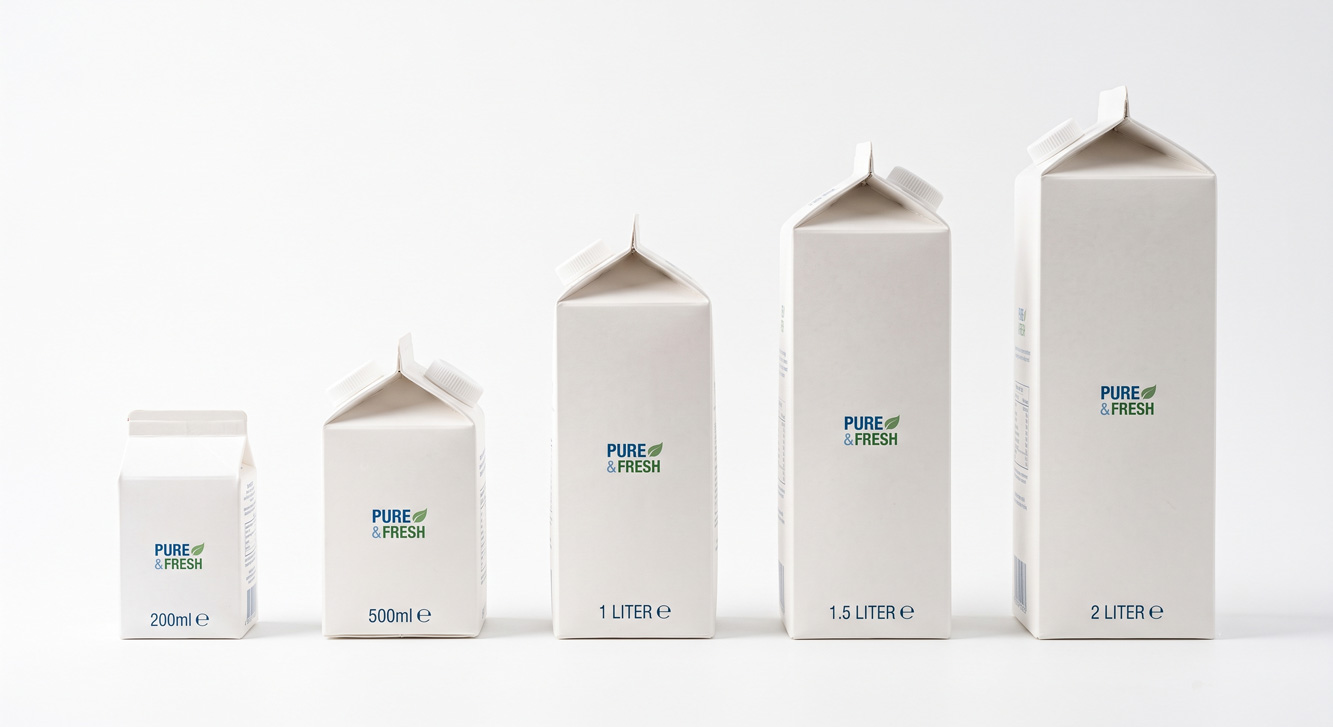
The gable top carton sector is undergoing a major transformation. Although this packaging format has been around for over a century, recent years have seen a rapid shift toward more eco-friendly materials and higher-performance solutions. Lightweight cartons with reduced or no aluminum layers, new paper types such as unbleached natural kraft, and fiber-based closures are all contributing to market expansion.
9. What This Means for Your Brand
The future of sustainable beverage packaging is clear: renewable, fiber-based, and circular.
For brands still packaging in plastic bottles, the window for transition is closing. Regulatory deadlines are approaching. Consumer expectations are rising. And the competition is already making the switch.
Gable top cartons offer:
✅ A renewable, lower-carbon alternative to fossil-based plastics
✅ Regulatory compliance with PPWR and emerging EPR schemes
✅ Superior product protection through advanced barrier technologies
✅ Premium brand positioning with expansive printable surfaces
✅ Logistical efficiencies through flat shipping and storage
✅ Consumer alignment with growing demand for sustainable packaging
About ASQ Packing
At ASQ Packing, we manufacture premium gable top cartons designed for the future of sustainable beverage packaging. We combine cutting-edge production technology with deep material science knowledge to deliver packaging that performs—for your product, your brand, and the planet.
Whether you are in dairy, juice, plant-based beverages, or personal care, we are ready to design a tailored solution for your product line.
👉 Visit us: asqpacking.com
Frequently Asked Questions
1. What is driving the shift to sustainable beverage packaging?
Three factors: consumer demand (82% willing to pay more for sustainable packaging), regulatory pressure (EU PPWR requiring all packaging to be recyclable), and brand commitments to reduce carbon footprints.
2. What is the paper-based barrier technology in cartons?
It replaces the traditional aluminum foil layer with a renewable, paper-based barrier that protects against oxygen, light, moisture, and bacteria. This reduces carbon footprint by up to 43–61% while maintaining comparable shelf life.
3. Are gable top cartons recyclable?
Yes. Carton recycling is available to over 61% of U.S. households, with 74% in California. The recycling rate has grown from 6% in 2009 to approximately 20% today, and infrastructure continues to expand.
4. What is the PPWR and how does it affect beverage packaging?
The EU Packaging and Packaging Waste Regulation (2025/40) requires all packaging to be recyclable, sets minimum recycled content for plastics, and mandates 10% reusable beverage packaging by 2030 (40% by 2040).
5. Why choose gable top cartons over plastic bottles?
Gable top cartons are made from renewable paperboard (up to 80% paper), have a lower carbon footprint, offer superior product protection, provide four printable panels for branding, and align with regulatory and consumer expectations.