
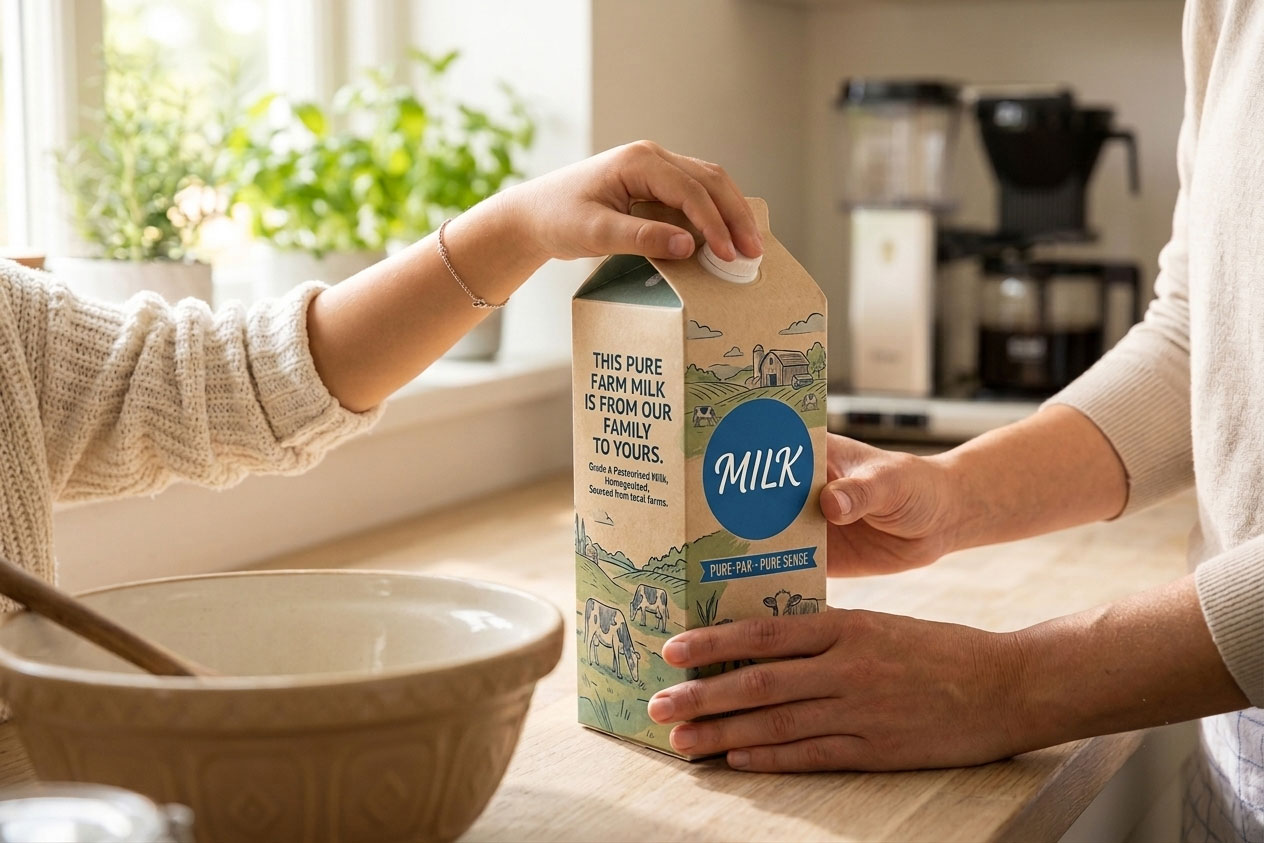
The gable top carton is not a new invention. First patented in 1915 by John Van Wormer, it has been a trusted companion to the dairy industry for over a century. But something remarkable is happening. After decades of dominance by plastic bottles, the humble gable top carton is experiencing a powerful renaissance—not as a nostalgic relic, but as the most forward-looking, sustainable, and consumer-preferred packaging format on the market.
From dairies to plant-based beverage startups to personal care brands, a growing wave of companies is making the switch. This is not a trend. It is a structural transformation. Here is why more beverage brands are choosing gable top cartons as their evergreen packaging solution.
The Numbers Tell a Clear Story
The market is voting with its dollars. The global gable top liquid cartons market was valued at USD 10.17 billion in 2025 and is projected to grow to USD 16.79 billion by 2034, registering a robust CAGR of 5.81% during the forecast period. Asia Pacific dominated the global market with a significant share in 2024, driven by strong dairy consumption and expanding demand for packaged beverages.
These figures reflect a fundamental shift in procurement strategy. Brand owners and retailers are progressively substituting plastic bottles with paper-based cartons—not to follow a fad, but to align with sustainability commitments, regulatory requirements, and shifting consumer expectations.
The Sustainability Advantage: Why Cartons Win
Renewable, Not Fossil-Based
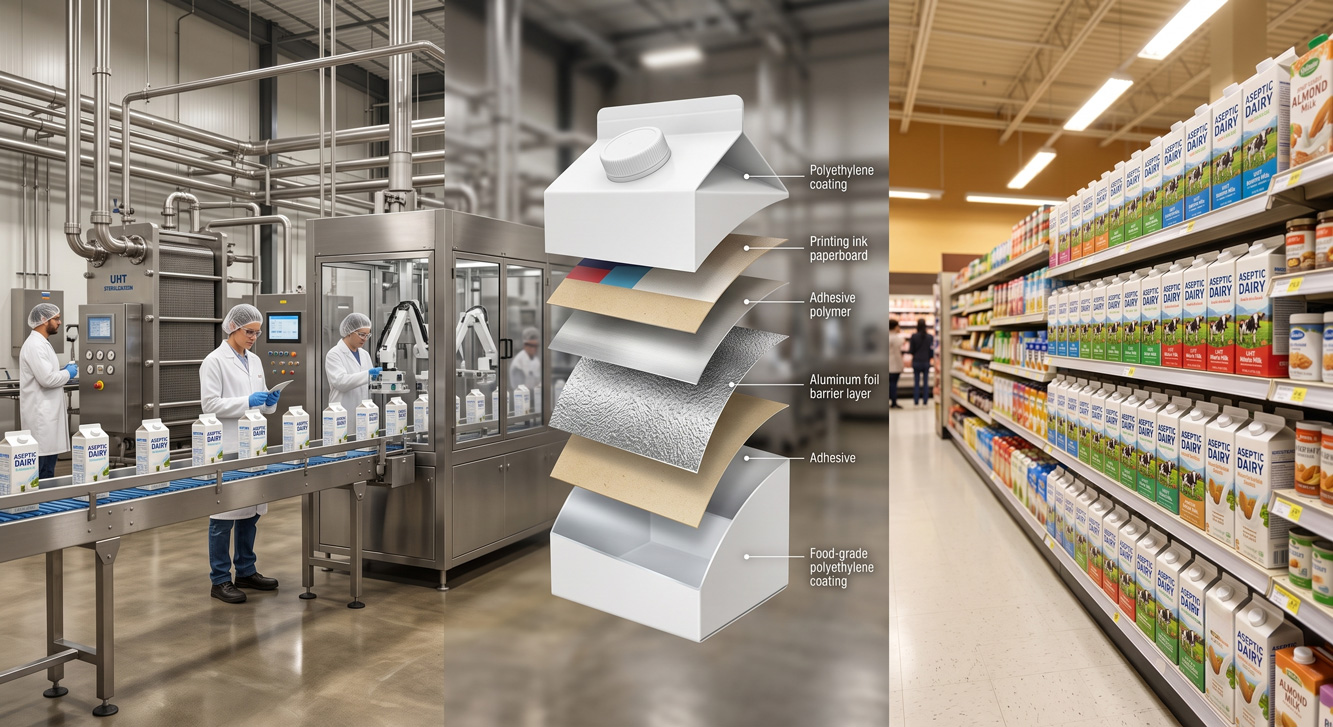
Gable top cartons are made primarily from paperboard sourced from responsibly managed forests—a renewable resource that can be regrown and replenished. Refrigerated gable top cartons typically consist of approximately 80% paper and 20% polyethylene, with no aluminum layer. This high paper content means that every carton starts with a renewable resource, not petroleum.
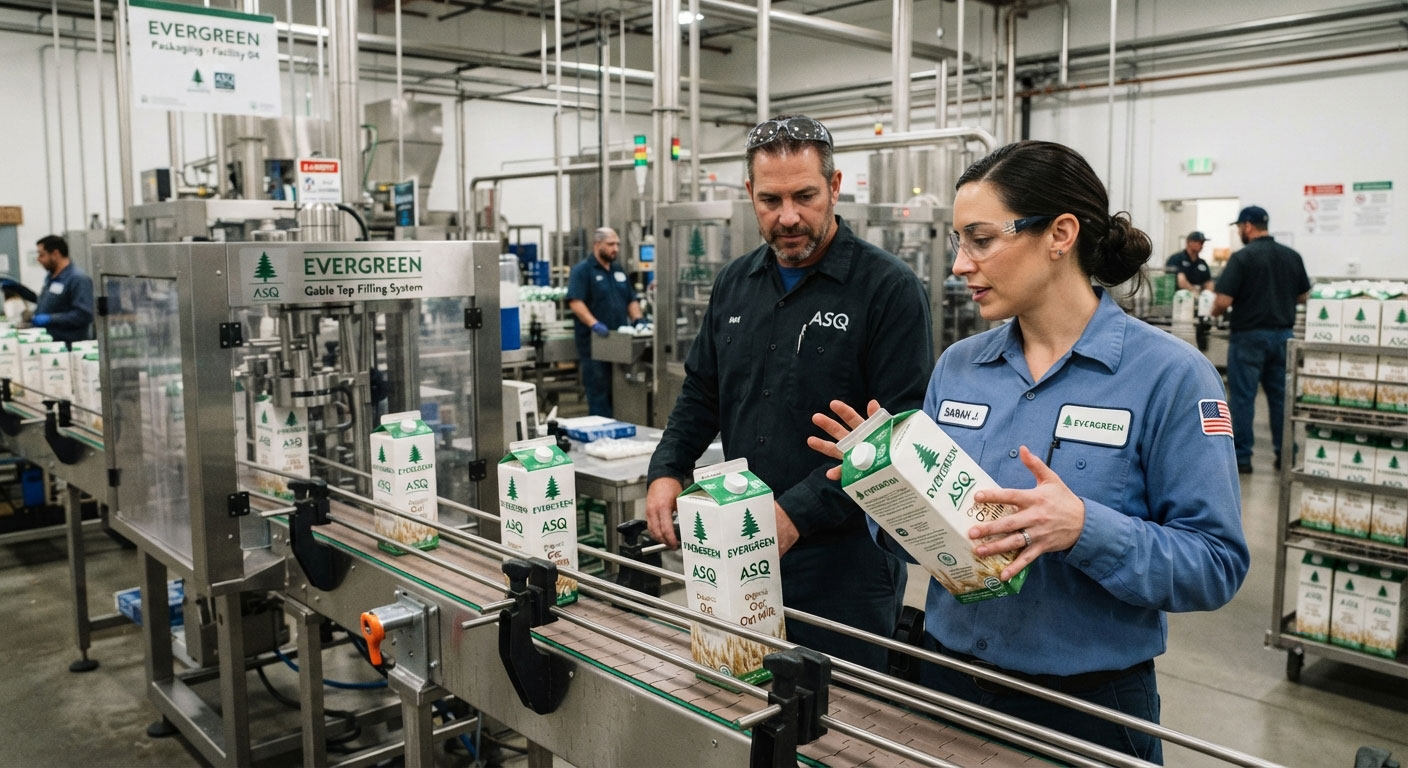
At ASQ Packing, all cartons are manufactured using certified renewable materials with advanced barrier technology for maximum freshness and safety. Plastic bottles, by contrast, are manufactured from petroleum—a finite fossil resource.
Lower Carbon Footprint
Life Cycle Assessment (LCA) studies comparing packaging formats reveal significant differences in carbon footprint. Research by Anthesis examining fresh milk and juice packaging in North America found that cartons made from natural brown paperboard generate 95 grams of CO₂ equivalent per half-gallon, compared to 206 grams for HDPE plastic bottles and 349 grams for PET bottles.
These reductions translate to 54–73% lower carbon emissions for natural brown paperboard cartons and 32–60% lower emissions for white paperboard cartons when compared to their plastic counterparts. The environmental benefits extend beyond carbon footprint to include reductions in fine particulate matter formation, fossil resource scarcity, and marine eutrophication.
Cartons require fewer natural resources to transport due to their efficient product-to-packaging ratio. On average, a product sold in a carton is 94% product and only 6% packaging. This means that fuel consumption and greenhouse gas emissions are reduced since products in cartons can be shipped using fewer trucks.
Reduced Plastic Dependency
Every gable top carton represents plastic that never enters our oceans, landfills, or ecosystems. By switching from plastic bottles to cartons, beverage brands can dramatically reduce their plastic footprint while maintaining—and even improving—product protection and consumer experience.
Logistical Efficiency
Empty gable top cartons are shipped and stored flat, allowing manufacturers and fillers to transport significantly more units per truckload compared to pre-formed plastic jugs or carafes. Plastic jugs and carafes cannot be shipped in the same volume as cartons because of their inefficient shape. Fewer trucks mean lower transport emissions and substantially reduced logistics costs.
The packaging provides superior light protection, which preserves light-sensitive nutrients in dairy products more effectively than clear or translucent plastic bottles. The distinctive gable-shaped top offers a reliable sealing method and convenience for consumers.
Extended Shelf Life
Long-term shelf life cartons protect contents from light and oxygen, preserving freshness for extended durations and reducing restocking frequency. Short-term shelf life cartons are widely used for dairy and fruit juices, driven by affordability and consumer preference for fresh products.
Lightweight and Stackable
These cartons are lightweight, stackable, and offer strong shelf visibility. Their distinct rectangular or “brick-like” shape allows for efficient stacking and appealing visibility on shelves.
Consumer Preference: The Decisive Factor
Consumers are driving the shift. According to market research, there is growing consumer demand for eco-friendly and recyclable packaging solutions across the food and beverage sector. Research by WWF shows that 85% of Americans consider plastic waste pollution a serious problem.
The tactile comfort of holding a paper-based pack, the lightweight construction, and the fully recyclable profile all contribute to this strong consumer preference. As industry analysis notes, the demand for gable top liquid cartons is anticipated to rise due to their recyclability, lightweight nature, and ability to preserve product freshness.
Cartons are made with high-quality virgin fiber that is valuable to paper mills, making them a sought-after material in the recycling stream.
However, challenges remain and continued investment in infrastructure is needed. The trajectory is clear: infrastructure is expanding, access is growing, and the momentum is undeniable.
The Regulatory Tailwind
Government regulations are accelerating the shift. The EU Packaging and Packaging Waste Regulation (PPWR) —Regulation (EU) 2025/40—was adopted on 19 December 2024, entered into force on 11 February 2025, and will generally apply from 12 August 2026. The regulation establishes that all packaging placed on the market must be recyclable. From 1 January 2030, all packaging must meet minimum recyclability performance grades, and packaging below grade C will be prohibited from market placement.
Around the world, stricter environmental regulations to reduce plastic waste and promote recyclable packaging are creating substantial growth opportunities for paperboard-based cartons. Brands that have not transitioned to compliant packaging face significant financial and reputational risk.
Innovation: The Future Is Even Better
The gable top carton is not standing still. Major innovations are transforming what this century-old format can deliver:
Plant-Based Materials
Manufacturers are increasingly incorporating plant-based materials such as renewable paperboard and bio-based polymers derived from sugarcane and wood fibers. This shift is driven by consumer demand for sustainable packaging and reduced reliance on fossil fuels.
Smart Packaging Technologies
The integration of smart packaging technologies such as QR codes, NFC, and RFID tags enhances traceability, brand engagement, and supply chain transparency. This allows brands to tell their sustainability story directly through the package.
Biodegradable Materials and Renewable Polymers
Increasing focus on biodegradable materials and renewable plant-based polymers is expected to create substantial growth opportunities during the forecast period.
Why the Switch Makes Business Sense
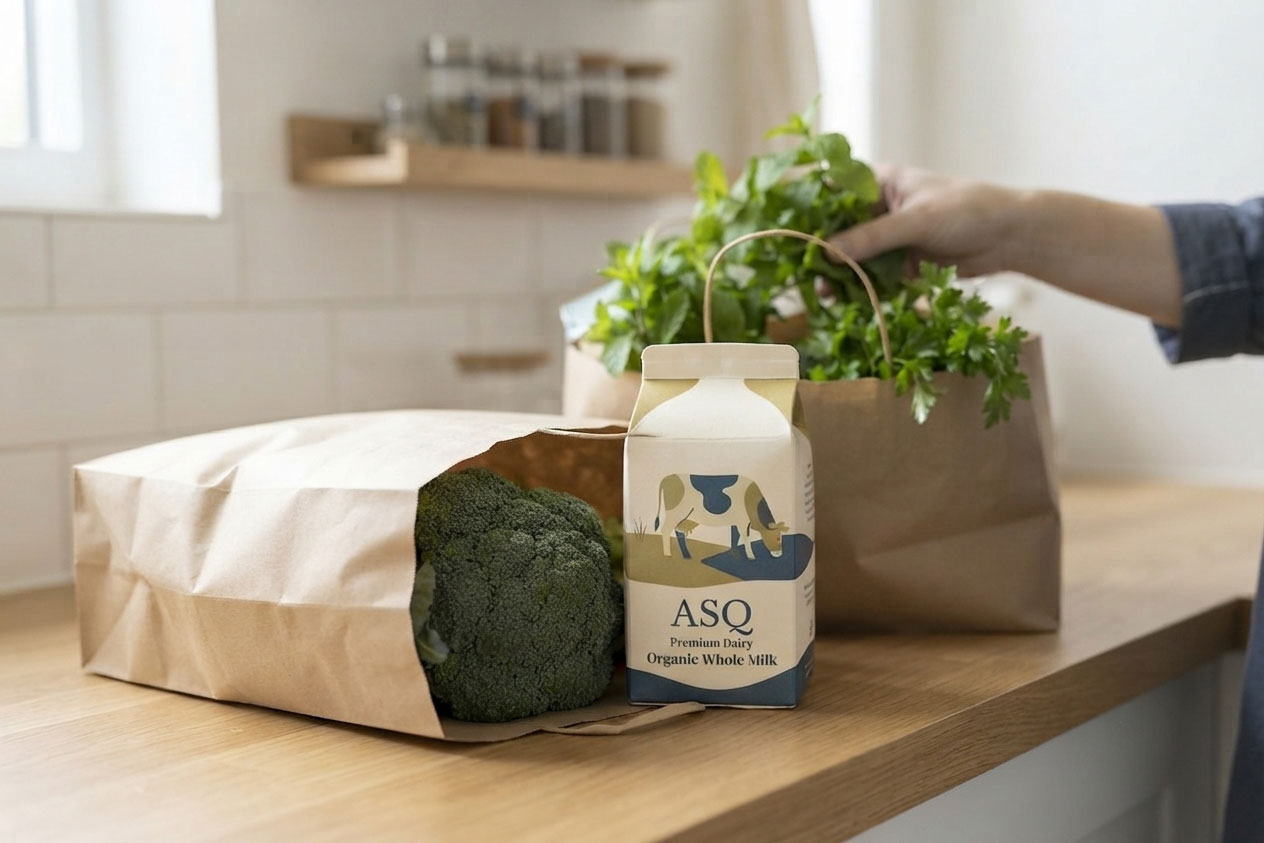
For beverage brands, switching to gable top cartons is not just an environmental decision—it is a business decision with clear returns:
| Benefit | Business Impact |
|---|---|
| Consumer Preference | Growing demand for eco-friendly, recyclable packaging |
| Regulatory Compliance | Align with PPWR requirements |
| Brand Premium | Cartons associated with freshness, quality, sustainability |
| Logistical Savings | 94% product-to-packaging ratio; more units per truck, lower costs |
| Product Protection | Superior light protection; preserves nutrients |
| Future-Proofing | Aligns with long-term sustainability trends |
As industry experts note, the gable top carton market is experiencing steady growth, supported by rising demand for sustainable and efficient liquid packaging solutions. The growing preference for eco-friendly packaging remains a major opportunity area.
The Verdict: An Evergreen Solution
The gable top carton has proven its staying power for over a century. But what makes it truly “evergreen” is its ability to evolve—to meet the challenges of each era with innovation and resilience.
Today, that challenge is sustainability. And the gable top carton is answering it with:
✅ Renewable materials from responsibly managed forests
✅ Lower carbon footprint—54–73% fewer CO₂ emissions than plastic bottles
✅ Superior product protection—blocks harmful light, preserves nutrients
✅ Strong consumer preference—85% of Americans concerned about plastic waste
✅ Growing recyclability—61% U.S. household access; 20% recycling rate
✅ Continuous innovation—plant-based materials, smart packaging, bio-based polymers
The question is no longer “Should I switch?” but “How quickly can I make the transition?”
About ASQ Packing
At ASQ Packing, we manufacture premium gable top cartons designed for brands ready to make the switch. We combine cutting-edge production technology with deep material science knowledge to deliver packaging that performs—for your product, your brand, and the planet.
Whether you are in dairy, juice, plant-based beverages, or personal care, we are ready to design a tailored solution for your product line.
👉 Visit us: asqpacking.com
Frequently Asked Questions
1. Why are beverage brands switching from plastic bottles to gable top cartons?
Three factors: consumer demand for sustainable packaging (85% of Americans consider plastic waste a serious problem), regulatory pressure (EU PPWR requiring recyclable packaging by 2030), and verified sustainability benefits including 54–73% lower carbon emissions.
2. Are gable top cartons really better for the environment?
Yes. They are made primarily from renewable paperboard (approximately 80% paper), have significantly lower carbon footprints (54–73% fewer CO₂ emissions than plastic bottles), and reduce dependence on fossil fuels.
3. Are gable top cartons recyclable?
Yes. The recycling rate has grown from 6% in 2009 to approximately 20% today. Cartons are accepted in 61% of American communities, with 74% of California households having access.
4. What products can be packaged in gable top cartons?
Beyond traditional milk, they are ideal for plant-based beverages, premium juices, functional drinks, liquid eggs, wine, spirits, and increasingly personal care products.
5. What innovations are happening in gable top cartons?
Plant-based materials, bio-based polymers, smart packaging technologies (QR codes, NFC, RFID), and increasing use of renewable paperboard.پ