
A Manufacturer’s Perspective on the Future of Liquid Packaging
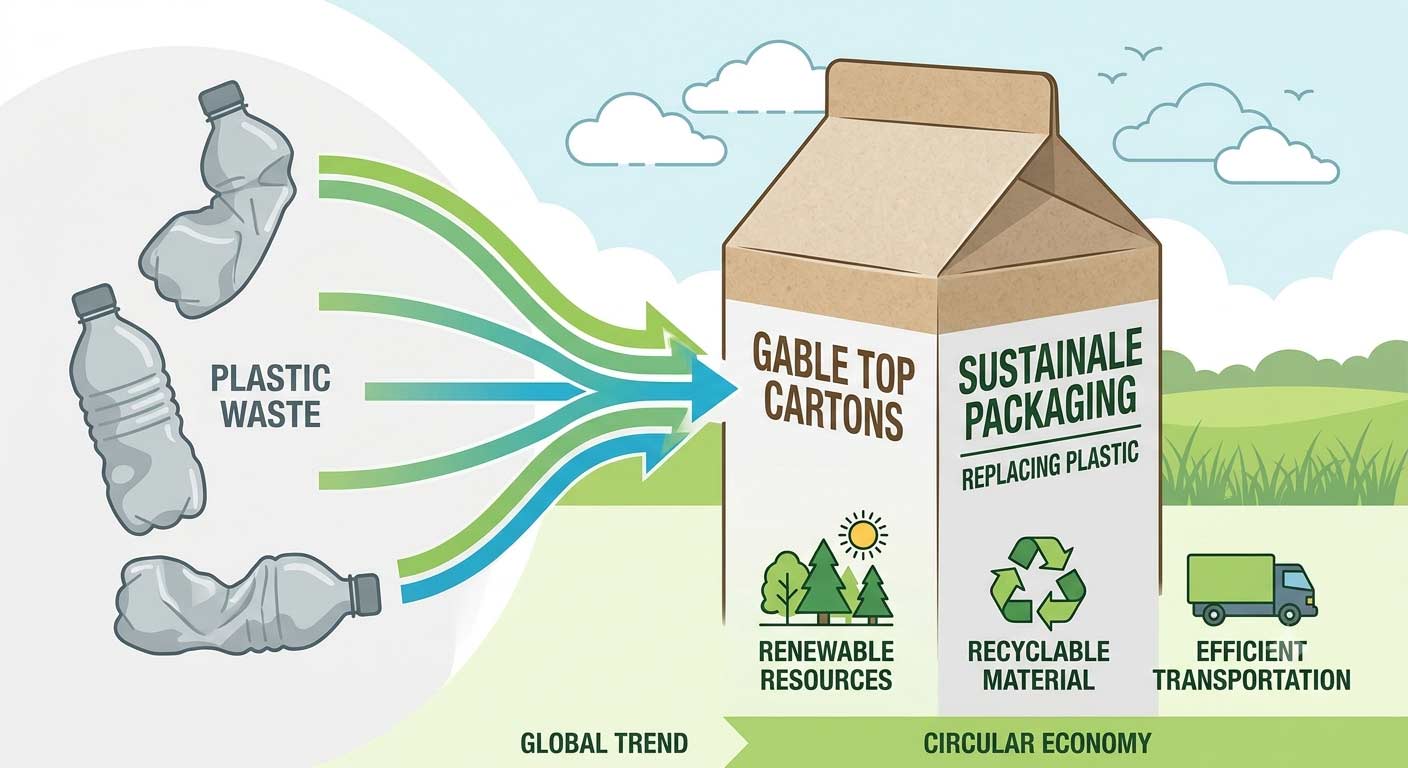
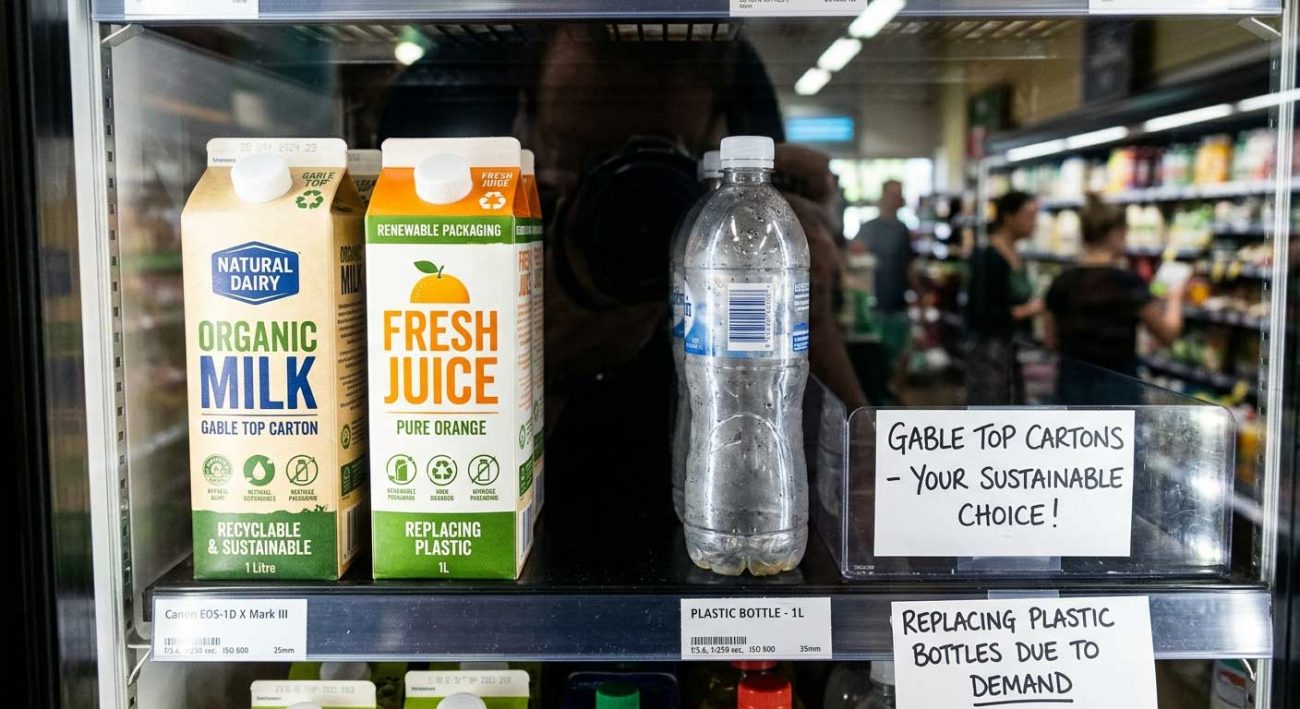
The era of plastic dominance in liquid packaging is ending. Across the dairy, juice, plant-based, and personal care industries, a decisive shift is underway—brands are moving away from petroleum-based plastic bottles and embracing gable top cartons.
As a leading packaging manufacturer, ASQ Packing sees this transition not as a passing trend, but as a structural market transformation. Here is the data-driven, scientifically sound case for why gable top cartons are the superior choice—and why leading brands are partnering with manufacturers like ASQ Packing to make the switch.
1. The Market Verdict: Unprecedented Growth
The numbers validate the transition. The global gable top liquid cartons market was valued at US$10.17 billion in 2025** and is projected to grow at a robust CAGR of **5.81%**, reaching **US$16.79 billion by 2034. The Asia Pacific region alone is driving significant demand, fueled by rapid expansion in the regional dairy and non-alcoholic beverage sectors.
This growth reflects a fundamental change in procurement strategy. Retailers and brand owners are actively substituting plastic bottles with paperboard cartons in suitable categories—not to follow a fad, but to align with evolving sustainability narratives and shifting consumer perceptions. Paper-based packs are increasingly viewed as the premium, eco-responsible choice.
2. The Sustainability Imperative: Beyond Greenwashing
For a manufacturer like ASQ Packing, sustainability is not a marketing label; it is a material science challenge. Gable top cartons solve this challenge in four measurable ways:
A. Renewable vs. Fossil-Based
Gable top cartons are composed of 70% to 80% high-quality paperboard, sourced from responsibly managed, FSC-certified forests. This makes them a renewable, biobased solution. Conversely, plastic bottles are manufactured from finite petroleum hydrocarbons—a resource that is neither renewable nor aligned with a circular economy.
B. A Verifiable Lower Carbon Footprint
Life Cycle Assessments (LCAs) provide concrete evidence. Studies comparing ESL (Extended Shelf Life) milk packaging show that multi-layer gable top cartons have a more than 12% lower climate impact than standard HDPE bottles. When compared to PET bottles with shrink sleeve labels, the advantage jumps to over 34% . These verified reductions are driving procurement decisions in Europe and North America.
C. Flat Shipping = Massive Logistical Efficiency
Empty gable top cartons are shipped and stored flat. This allows manufacturers and fillers to transport up to 8 times more units per truckload compared to pre-formed plastic jugs or carafes. Fewer trucks mean lower Scope 3 transport emissions and substantially reduced logistics costs—a direct benefit to the supply chain.
D. Reducing Plastic Dependency
Every gable top carton represents plastic that never enters the waste stream. By transitioning to cartons, brands can dramatically reduce their overall plastic consumption while maintaining, and even improving, product protection.
3. Functional Superiority: Performance That Protects
Sustainability is meaningless without performance. Gable top cartons offer distinct functional advantages over plastic bottles:
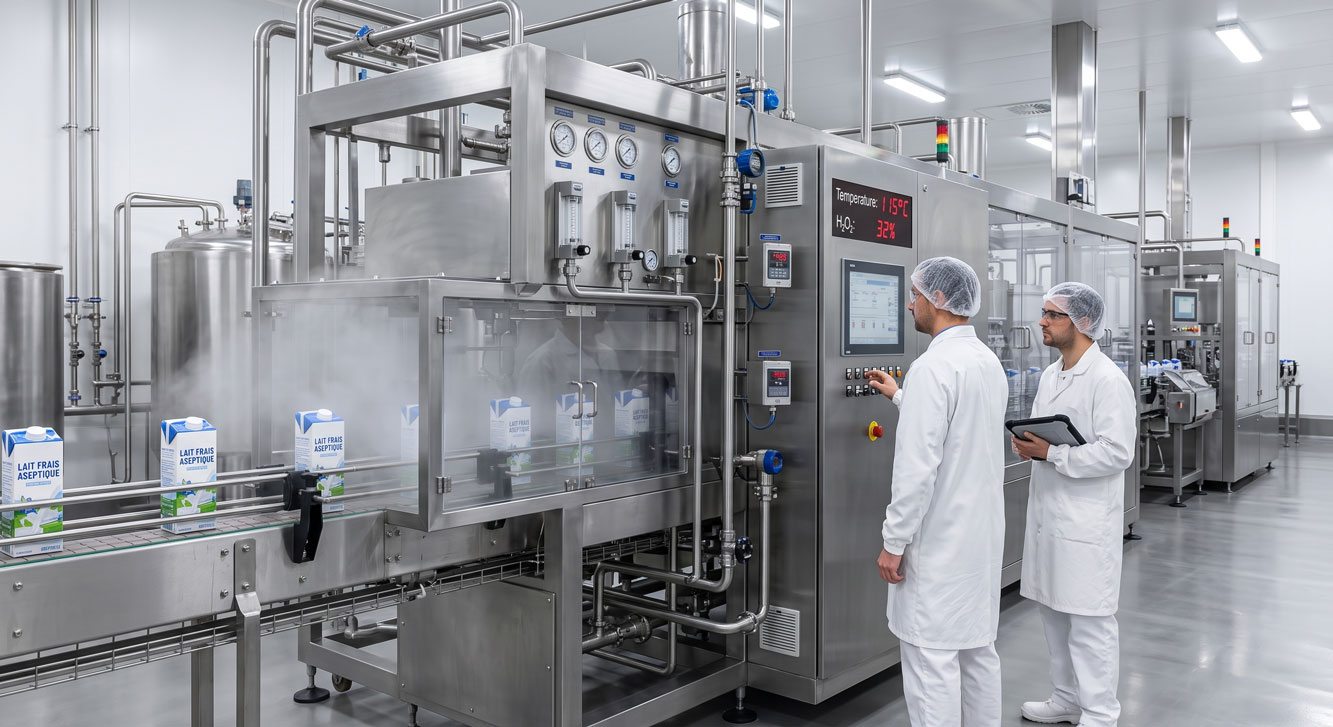
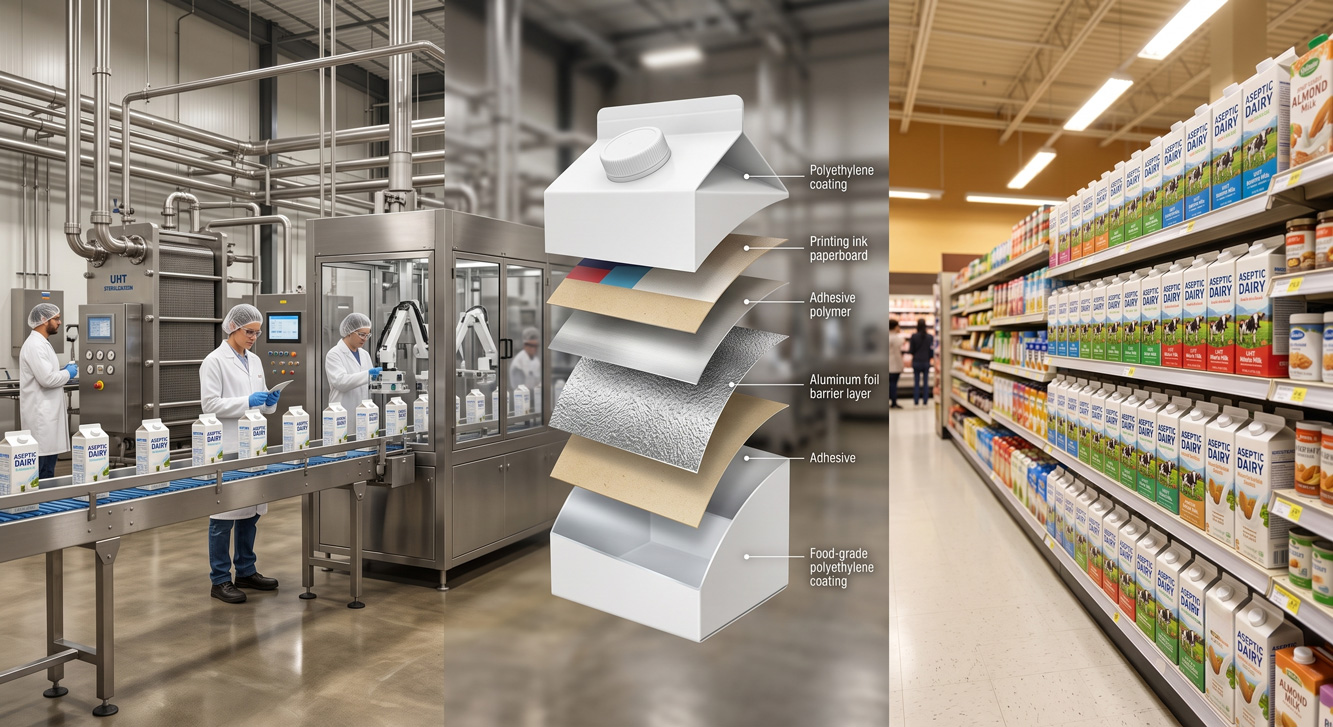
- Superior Barrier Protection: The multi-layer structure of a gable top carton (paperboard + polyethylene + optional aluminum/barrier layers) provides an excellent shield against light and oxygen. This protects sensitive products like juices, plant-based milks, and premium dairy from photo-oxidation, extending shelf life and reducing food waste without relying heavily on synthetic preservatives.
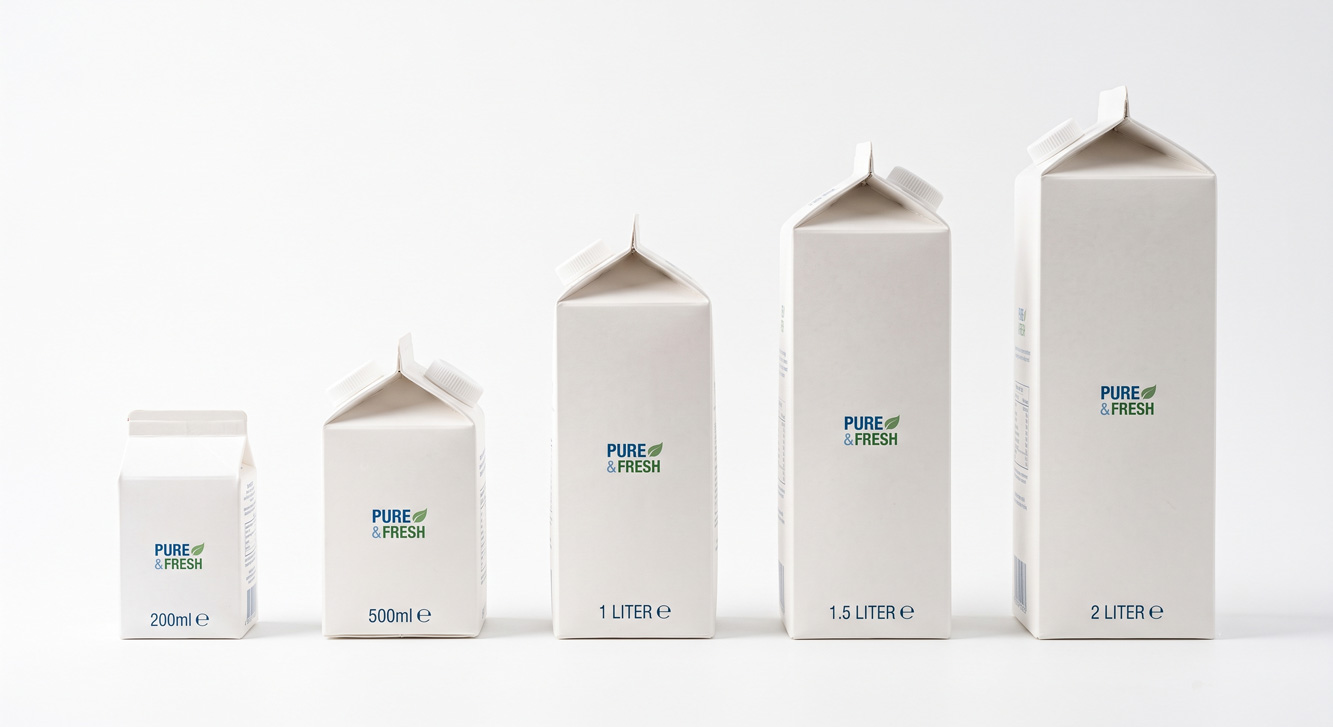
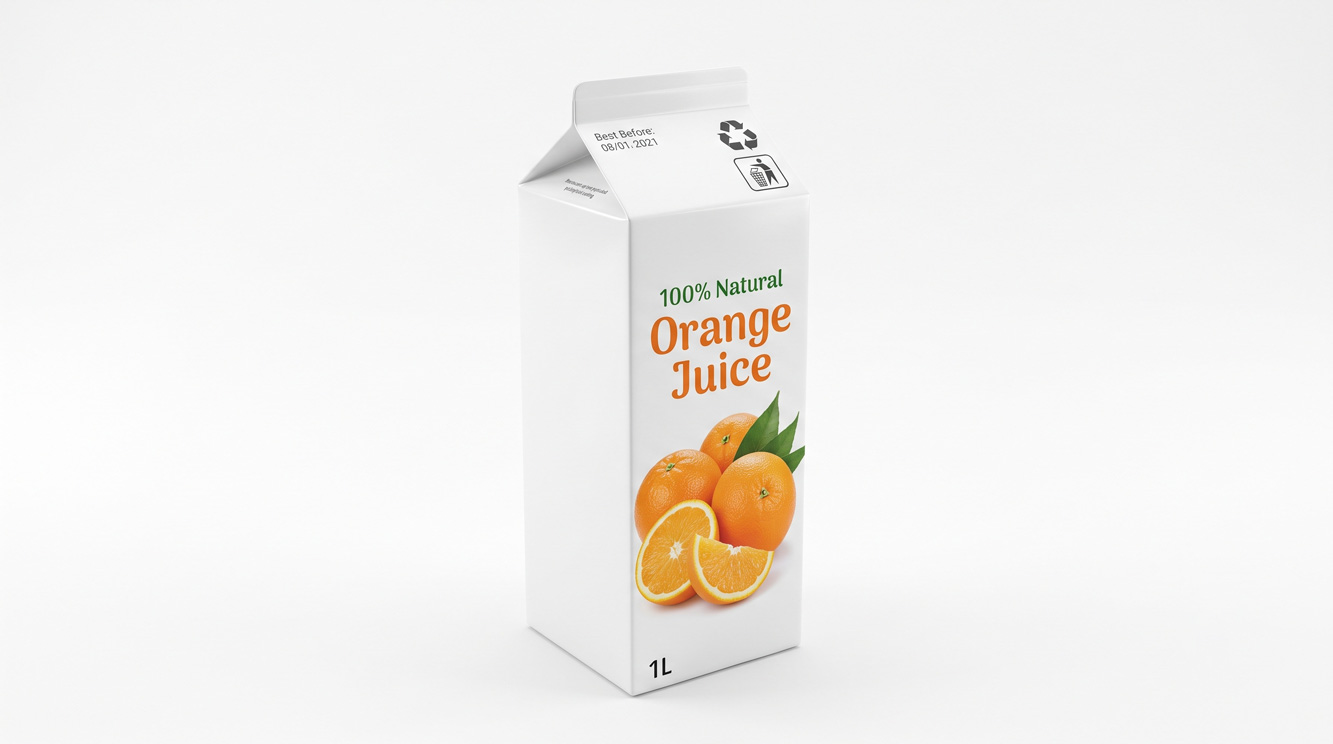
- Superior Aesthetics and Shelf Impact: The distinctive “pitched roof” design creates immediate brand recognition. Furthermore, the four large printable panels offer expansive real estate for high-impact graphics—far surpassing the limited label area of a curved plastic bottle. This turns the package into a powerful 360-degree marketing tool.
- Ergonomic Design: The carton’s shape is ergonomically designed for easy pouring and gripping, providing a consumer experience that is both familiar and practical.
4. Navigating the Regulatory Landscape
Global regulations are accelerating the transition away from problematic plastics. The EU’s Packaging and Packaging Waste Regulation (PPWR) actively encourages paper-based, recyclable formats. In the United States, California’s SB 343 mandates strict criteria for “recyclable” labeling.
As of August 2025, CalRecycle confirmed that gable top cartons meet the 60% sortation threshold (up from 47%), ensuring they retain the “Recyclable” label in the state. This regulatory clarity provides brands with the confidence to switch to gable top cartons without fear of compliance penalties.
5. The Recycling Reality: Progress, Not Perfection
As a manufacturer, we believe in honest communication. Carton recycling is growing, but it requires continued infrastructure investment.
- Access is Expanding: Carton recycling is now available to over 77 million U.S. households—a nearly 240% increase since 2009.
- California Leads: In California, 74% of households have access to recycling for gable top cartons, with 72% having access for aseptic versions.
- The Challenge: National acceptance currently stands at 49% (below the ideal 60% threshold). If rates do not improve, there is a risk of downgrading to “Check Locally” by 2026.
However, the trajectory is undeniable. The carton recycling rate has grown from just 6% in 2009 to approximately 20% today. Investment in MRF (Material Recovery Facility) sorting technology is accelerating, ensuring that the infrastructure will catch up to the market demand.
6. Innovation Is Fueling the Shift
The packaging industry is innovating at breakneck speed to make gable top cartons even more sustainable. These are the technological milestones that manufacturers like ASQ Packing are monitoring closely:
- Paper-Based Barriers: In December 2025, the industry debuted the first-ever aseptic carton utilizing a paper-based barrier that fully replaces the aluminum foil layer. The new structure consists of up to 80% paper, and with plant-based polymers, the total renewable content reaches 92%.
- Massive Capacity Investments: Major global players are investing heavily in this format—opening new US manufacturing facilities (e.g., $128 million plants) and scaling paper-barrier technologies with annual investments exceeding €100 million.
- Bio-Based Coatings: The shift from fossil-based polyethylene to bio-based polymers (derived from sugarcane or corn starch) is reducing the fossil footprint of the plastic layer within the carton.
For ASQ Packing, these innovations are not just news—they are the benchmarks of quality that we bring to our clients.
7. Why ASQ Packing Is Your Ideal Manufacturing Partner
Transitioning from plastic bottles to gable top cartons requires more than just a design change; it requires a reliable manufacturing partner with industrial expertise.
At ASQ Packing, we combine cutting-edge production technology with deep material science knowledge. We do not just manufacture cartons—we engineer packaging solutions that:
- Optimize your shelf-life through precise barrier formulation.
- Elevate your brand with high-precision, premium print quality across all four panels.
- Future-proof your business against upcoming regulatory restrictions.
- Reduce your carbon footprint without compromising product integrity.
We understand the factory floor, the supply chain, and the end-consumer. If you are evaluating the switch from plastic to paper, we are ready to design a tailored solution for your product line.
Conclusion: The Future Is Flat and Renewable
The evidence is overwhelming. Gable top cartons offer a lower carbon footprint, superior product protection, enhanced branding opportunities, and regulatory alignment that plastic bottles simply cannot match. The global market is responding, and the infrastructure is evolving.
For brand owners, the question is no longer “Should I switch?” but “How quickly can I scale my transition?”
ASQ Packing is here to help you answer that question. We provide the manufacturing capacity, the technical expertise, and the sustainable innovation to help you lead your category.
📦 Ready to Replace Plastic with Paper?
Contact our team today to request samples or discuss your custom packaging requirements.
👉 Visit us: asqpacking.com
Frequently Asked Questions (FAQ)
- Are gable top cartons genuinely better for the environment than plastic bottles?
Yes. They are made primarily from renewable wood fibers, have lower verified carbon footprints (12-34% lower in specific LCA studies), and reduce reliance on fossil fuels. - Can gable top cartons be recycled in the US?
Yes. Over 77 million US households have access, with California leading at 74% access. While national acceptance is at 49% (target 60%), infrastructure improvements are rapidly being deployed. - What liquid products work best in gable top cartons?
Beyond traditional milk, they are ideal for plant-based beverages, premium juices, functional drinks, liquid eggs, and increasingly, personal care products like liquid soaps and hand wash refills. - Does ASQ Packing offer custom printing and sizing?
Absolutely. We specialize in custom manufacturing—from size dimensions to high-definition branding prints across all panels.